Rhode Island Hockey Tragedy: Shooter Identified, Motive Explored
The quiet afternoon at a youth hockey game in Pawtucket, Rhode Island, was shattered on a somber Monday by a horrific act of violence. What began as a routine sporting event at the Dennis M. Lynch Arena quickly descended into a scene of chaos and tragedy, leaving two innocent lives lost and several others injured. This devastating incident, now widely referred to as the Rhode Island Hockey Shooting, has sent shockwaves through the local community and ignited urgent conversations about domestic violence, gun control, and public safety.
Authorities have worked tirelessly to piece together the events of that fateful day, ultimately identifying the shooter and shedding light on a deeply personal and tragic motive. The details that have emerged paint a grim picture of a targeted attack rooted in domestic dispute, irrevocably altering the lives of those involved and leaving an indelible mark on the community.
The Unfolding Horror at Dennis M. Lynch Arena
On Monday afternoon, the festive atmosphere typical of a youth hockey game at the Dennis M. Lynch Arena in Pawtucket was brutally interrupted. Police Chief Tina Goncalves confirmed that 56-year-old Robert Dorgan, who also went by the name Roberta Esposito, opened fire, turning a community sports venue into a crime scene. The victims of this senseless act were identified as Dorgan's ex-wife, Rhonda Dorgan, and their adult son, Aidan Dorgan, both of whom tragically lost their lives. In addition to the fatalities, three other individuals sustained injuries, including the ex-wife's parents and a close family friend, underscoring the deeply personal and devastating nature of the assault.
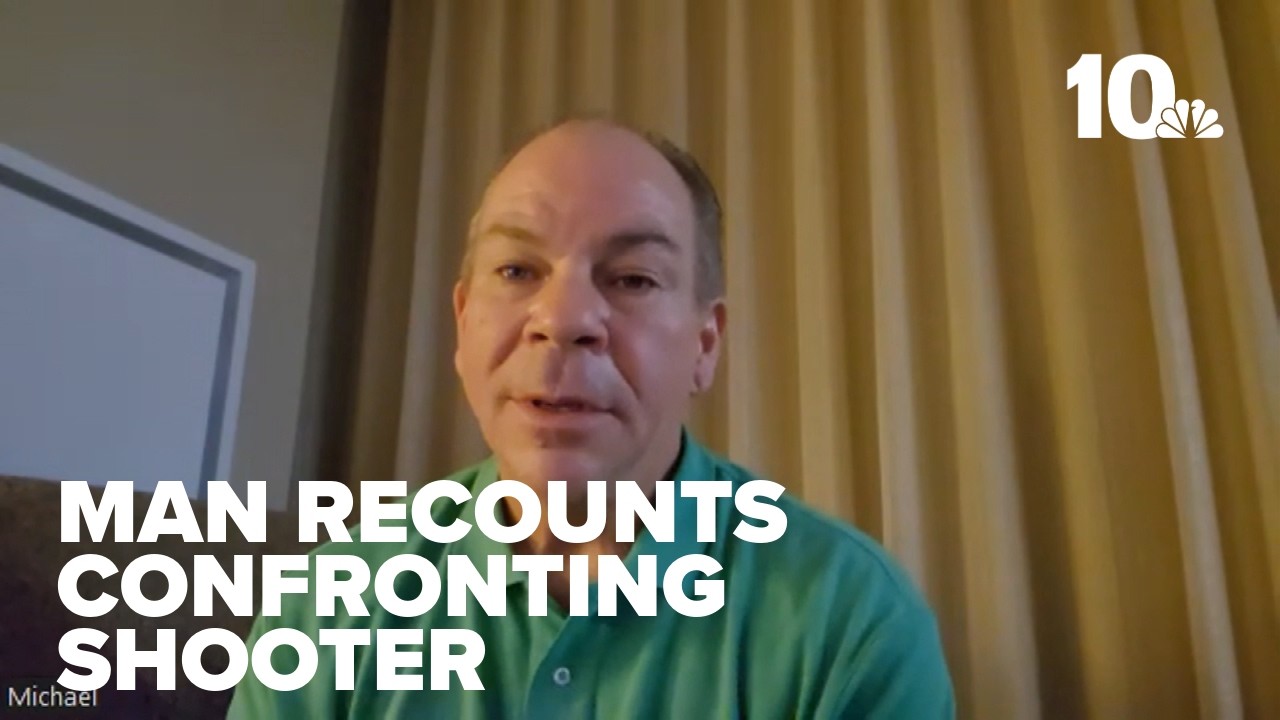
Investigators swiftly launched a large-scale inquiry, speaking with nearly 100 witnesses in an attempt to reconstruct the sequence of events. The immediate aftermath of the shooting saw players on the ice frantically skating for exits and fans scrambling for cover, images that were unfortunately captured and widely shared via LiveBarn, a streaming platform for youth sporting events. This raw footage provided a harrowing glimpse into the terror that unfolded, highlighting the need for immediate intervention. Fortunately, the attack was brought to a "swift end" by an unnamed "good Samaritan" who courageously intervened, a pivotal action that likely prevented further casualties. The shooter, Robert Dorgan, died at the scene from an apparent self-inflicted gunshot wound, bringing a definitive, albeit tragic, conclusion to the immediate threat. For more details on the targeted nature of the attack, you can read our in-depth report: Pawtucket Rink Shooting: Ex-Wife, Son Killed in Targeted Attack.
A Glimpse into the Shooter's Life: Robert Dorgan's Background
As investigations delved deeper, details about the shooter, Robert Dorgan (also known as Roberta Esposito), began to surface. Dorgan was an employee at General Dynamics Bath Iron Works, a prominent shipbuilding facility in Bath, Maine, which contracts with the U.S. Navy. While Dorgan's specific job title and tenure at the shipyard remain undisclosed, insights from former colleagues offer a complex and sometimes contradictory portrait.
Destiny Mackenzie, a former coworker, recounted Dorgan often used the women's bathroom and that they frequently engaged in conversations about family, particularly Dorgan's hockey-playing son. Curiously, Dorgan's ex-wife, Rhonda, was never a topic of discussion. Mackenzie also described Dorgan as having a "bad temper," which occasionally manifested in "screaming matches" with colleagues. Another coworker, choosing to remain anonymous, noted Dorgan's seemingly conflicted stance on transgender acceptance, at times expressing pride in transitioning, and at others, embarrassment. This same individual was aware that Dorgan owned guns but was unsure of the quantity.
These fragmented insights paint a picture of an individual grappling with internal complexities, potentially contributing to the underlying tensions that tragically erupted in violence. The workplace accounts suggest a history of emotional volatility, which, when combined with access to firearms and deep-seated personal issues, created a volatile situation culminating in the devastating Rhode Island Hockey Shooting.
Delving into the Motive: A Domestic Tragedy
Pawtucket Police Chief Tina Goncalves was quick to state that the shooting appeared to be "domestic in nature" and a "targeted" attack, a grim reality confirmed by the identities of the victims: the shooter's ex-wife and son. This categorization immediately shifts the focus from random violence to the devastating consequences of unresolved domestic disputes and personal conflicts escalating to extreme levels. The motive, while not fully articulated by the deceased shooter, strongly points to a culmination of familial strife, possibly exacerbated by personal struggles and emotional volatility.
Such tragedies highlight the critical importance of recognizing the warning signs of domestic violence and emotional distress. While specific details of Dorgan's marital history are not public, the outcome underscores how personal conflicts can spiral out of control with devastating consequences. Domestic violence, in its various forms, often leaves subtle or overt clues – controlling behavior, threats, escalating arguments, or intense anger. Communities and individuals must be vigilant in identifying these indicators and offering support or intervention. The trauma inflicted by such an event extends far beyond the immediate victims, affecting entire families, friends, and witnesses, especially children present at the game. The coworker's lament that "What was supposed to be some seniors' only chance at playoff games is now ruined" perfectly captures the widespread collateral damage of such an act.
Recognizing Warning Signs and Seeking Help:
- Emotional Volatility: Frequent outbursts of anger, screaming, or disproportionate reactions to minor issues.
- Isolation: An individual withdrawing from social circles or attempting to isolate family members.
- Threats: Any verbal or indirect threats of violence towards self or others.
- Possession of Weapons: An individual with a history of anger issues or domestic disputes acquiring firearms can be a significant red flag.
- Sudden Behavioral Changes: Marked shifts in personality, mood, or daily routines.
If you or someone you know is experiencing domestic violence, please reach out for help. Resources such as the National Domestic Violence Hotline (1-800-799-SAFE) are available 24/7.
Community Response and the Call for Action
The Rhode Island Hockey Shooting has left an indelible scar on the Pawtucket community and beyond. The bravery of the "good Samaritan" who intervened, bringing the attack to a "swift end," stands as a testament to the human capacity for courage in the face of terror. This selfless act undoubtedly prevented further harm and has been widely praised, emphasizing the crucial role individuals can play in critical moments. Learn more about their heroic actions here: Good Samaritan Credited in Swift End to RI Hockey Shooting.
However, the tragedy has also reignited intense debates surrounding gun violence and mental health. As coworker Destiny Mackenzie poignantly stated, "The reality of our gun laws needs a major reconsideration and it is unfortunate guns land in the hands of such sick individuals." This sentiment echoes across communities grappling with similar incidents, highlighting the complex interplay between access to firearms, mental well-being, and the prevention of domestic violence. For children and families who witnessed the horror, the images and sounds will undoubtedly linger, necessitating widespread access to mental health support and trauma counseling.
This incident serves as a stark reminder of the vulnerability of public spaces and the urgent need for comprehensive approaches to safety, including increased vigilance, improved security measures at public venues, and robust support systems for individuals struggling with mental health issues and domestic conflict. It calls upon communities to foster environments where seeking help for emotional distress or reporting domestic violence is normalized and encouraged, rather than stigmatized.
Conclusion
The Rhode Island Hockey Shooting at the Dennis M. Lynch Arena was a heartbreaking event, claiming the lives of Rhonda Dorgan and Aidan Dorgan, and injuring several others, all at the hands of Robert Dorgan in a targeted domestic attack. This tragedy underscores the devastating impact of unresolved personal conflicts and the critical importance of addressing domestic violence with vigilance and compassion. While the community mourns and processes the horror, there is also a collective resolve to understand the complex factors that contribute to such violence and to work towards a future where such tragedies can be prevented through comprehensive support systems, responsible gun ownership, and proactive community engagement. The memory of those lost and the trauma endured serve as a powerful impetus for change, demanding a deeper examination of how we protect our families and public spaces from the shadow of violence.