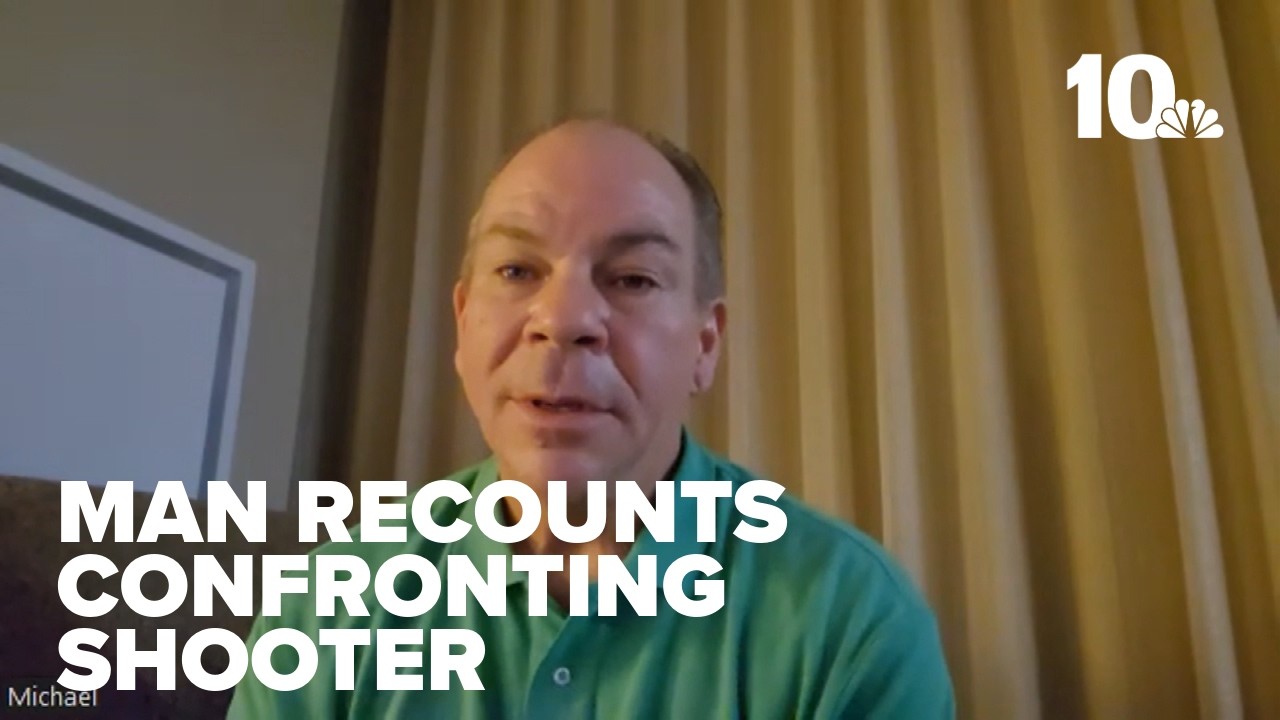
Good Samaritan Credited in Swift End to Rhode Island Hockey Shooting
The quiet hum of a typical Monday afternoon at the Dennis M. Lynch Arena in Pawtucket, Rhode Island, was shattered by the unthinkable. What began as a youth hockey game, a familiar scene of sport and community, quickly devolved into a scene of terror and tragedy. A deadly Pawtucket Rink Shooting left two innocent lives lost, three others injured, and countless witnesses traumatized. Yet, amidst the chaos and heartbreak, a narrative of extraordinary bravery emerged: the swift, decisive actions of an unnamed "good Samaritan" who played a crucial role in bringing the attack to an abrupt halt, preventing further loss of life during this horrifying Rhode Island Hockey Shooting incident.
This incident, now etched into the memory of the Rhode Island community, serves as a stark reminder of the unpredictable nature of violence and the profound impact it has. It also underscores the incredible courage that can emerge in the darkest moments. Police Chief Tina Goncalves praised the unidentified individual, crediting their intervention with ending the tragic event quickly, a testament to the power of citizen action in the face of extreme danger.
A Community Rocked: The Pawtucket Tragedy Unfolds
On Monday afternoon, the Dennis M. Lynch Arena, a hub for local sports and community gatherings, became the epicenter of a targeted attack. Pawtucket Chief of Police Tina Goncalves confirmed that the shooter, identified as 56-year-old Robert Dorgan (who also used the name Roberta Esposito), specifically targeted their ex-wife, Rhonda Dorgan, and their adult son, Aidan Dorgan, both of whom tragically lost their lives. The assault also left Rhonda Dorgan's parents and a family friend injured, painting a grim picture of domestic violence escalating into public terror.
The horrifying events unfolded during a scheduled hockey game, which was being livestreamed by LiveBarn, a platform popular for youth sporting events. The video, later circulated on social media despite LiveBarn's warnings against unauthorized sharing, captured the chilling sounds of gunfire followed by immediate pandemonium. Players on the ice frantically skated for exits, those on benches dove for cover, and fans desperately sought safety. The raw footage highlighted the suddenness and brutality of the attack, leaving an indelible mark on all who witnessed it, directly or indirectly. Investigators, having spoken to nearly 100 witnesses, continue to piece together the precise sequence of events inside the arena, confirming the shooter died from an apparent self-inflicted gunshot wound, effectively ending the rampage.
The Unsung Hero: How a Good Samaritan Altered the Outcome
In the terrifying moments of an active shooter situation, every second counts. The swift actions of an unnamed "good Samaritan" at the Dennis M. Lynch Arena were paramount in mitigating further casualties during the Rhode Island Hockey Shooting. While specific details of their intervention remain undisclosed by authorities, Chief Goncalves’ emphatic credit to this individual highlights the critical role played in stopping the violence. This intervention likely disrupted the shooter's actions, potentially creating an opportunity for others to escape or for law enforcement to respond more effectively.
The concept of a "good Samaritan" in such dire circumstances is a powerful reminder of human courage. It speaks to an instinct to protect, to act when others are frozen by fear. Such interventions, whether through distraction, direct confrontation, or critical communication, can dramatically alter the trajectory of a violent event. It requires immense bravery, quick thinking, and a willingness to put oneself at risk for the safety of others. While we may never know the identity of this hero, their actions serve as an inspiring example of how individual courage can make an profound difference in preventing further tragedy. In the face of overwhelming danger, ordinary individuals can become extraordinary protectors.
- Understanding Intervention: While direct confrontation is highly risky and should only be considered as a last resort, other forms of intervention can include creating diversions, yelling to alert others, or providing aid to the injured.
- Emergency Preparedness: Familiarizing oneself with "Run, Hide, Fight" protocols, as recommended by Homeland Security, can empower individuals to make critical decisions in high-stress situations. Knowing basic first aid, like "Stop the Bleed," is also invaluable.
- Community Vigilance: Being aware of one's surroundings and reporting suspicious behavior to authorities can be a preventative measure, allowing potential threats to be addressed before they escalate.
Unraveling the Motive: A Look into the Shooter's Background and Warnings
Understanding the "why" behind such a horrific event is a complex and often elusive endeavor, yet crucial for prevention. Robert Dorgan, the shooter in the Rhode Island Hockey Shooting, was an employee at General Dynamics Bath Iron Works, a shipbuilding facility contracting with the U.S. Navy. While details about Dorgan's job title or tenure were not released, insights from former colleagues paint a picture of a troubled individual.
Coworkers described Dorgan as having a "bad temper," sometimes leading to screaming matches. One colleague, Destiny Mackenzie, recalled Dorgan frequently discussing a hockey-playing son, though the ex-wife never came up in conversation. Another coworker, speaking anonymously, described Dorgan's complex identity regarding transgender acceptance, oscillating between pride and embarrassment. This coworker also confirmed Dorgan owned guns but was unsure of the quantity. These fragmented insights suggest a person grappling with internal conflicts, which, combined with reports of a bad temper and gun ownership, could serve as potential warning signs when viewed in retrospect. The targeted nature of the attack points strongly towards domestic issues as a primary motive, echoing the concerns of police that the incident was "domestic in nature." You can learn more about the shooter's background in this related article: Rhode Island Hockey Tragedy: Shooter Identified, Motive Explored.
This tragedy highlights the dire consequences when warning signs, particularly those related to domestic violence, mental health struggles, or escalating aggression, go unaddressed or escalate to violence. Communities and individuals must foster environments where individuals feel safe to report concerns about a person's behavior, and resources for mental health support and domestic violence intervention are readily accessible.
Moving Forward: Healing, Prevention, and Enhanced Safety Measures
The aftermath of the Rhode Island Hockey Shooting leaves a community grappling with grief, trauma, and a collective need for healing. The images and sounds of that day will undoubtedly linger, especially for the young hockey players and their families who witnessed the terror firsthand. Organizations like the Rhode Island Youth Hockey Association and local mental health services will play a vital role in providing support and resources for those affected.
Beyond immediate healing, this tragedy calls for a critical re-evaluation of safety protocols in public venues, particularly those hosting youth events. Practical steps can be implemented to enhance security and preparedness:
- Venue Security Assessments: Regularly review and update security measures, including entry point control, surveillance systems, and emergency exits.
- Emergency Action Plans: Develop and regularly drill comprehensive emergency action plans for active shooter scenarios, including clear communication protocols and designated safe zones.
- Staff Training: Provide mandatory training for all venue staff on recognizing suspicious behavior, de-escalation techniques, and emergency response procedures.
- Collaboration with Law Enforcement: Foster strong relationships with local police to conduct joint drills, share intelligence, and ensure rapid response capabilities.
- Community Awareness Programs: Educate the public on how to recognize and report warning signs of potential violence, and promote awareness of domestic violence resources and mental health support services.
The call for "major reconsideration" of gun laws, as expressed by a colleague of the shooter, resonates with many in the wake of such violence. While complex, discussions around responsible gun ownership, background checks, and red flag laws often emerge as part of a broader societal effort to prevent similar tragedies. Ultimately, preventing future incidents requires a multi-faceted approach addressing gun violence, mental health, and the pervasive issue of domestic abuse.
The Rhode Island Hockey Shooting at Dennis M. Lynch Arena was a devastating event that shattered the peace of a community and left an enduring scar. The lives of Rhonda and Aidan Dorgan were tragically cut short, and others were injured, highlighting the profound impact of domestic violence and unchecked aggression. Yet, from the depths of this tragedy emerged a beacon of hope and courage in the form of an unnamed good Samaritan, whose decisive intervention brought the attack to a swift end, undoubtedly saving lives. As the community begins the arduous process of healing, this incident serves as a powerful call to action: to strengthen support systems for mental health and domestic violence victims, to enhance security measures in public spaces, and to recognize that collective vigilance and individual courage are vital in protecting our communities from such senseless acts of violence.